The Economist weighs in on Mexico's weight troubles. Tortillas and fast food are packing blood sugar levels in the Latin American country, and diabetes is becoming an alarming scourge:
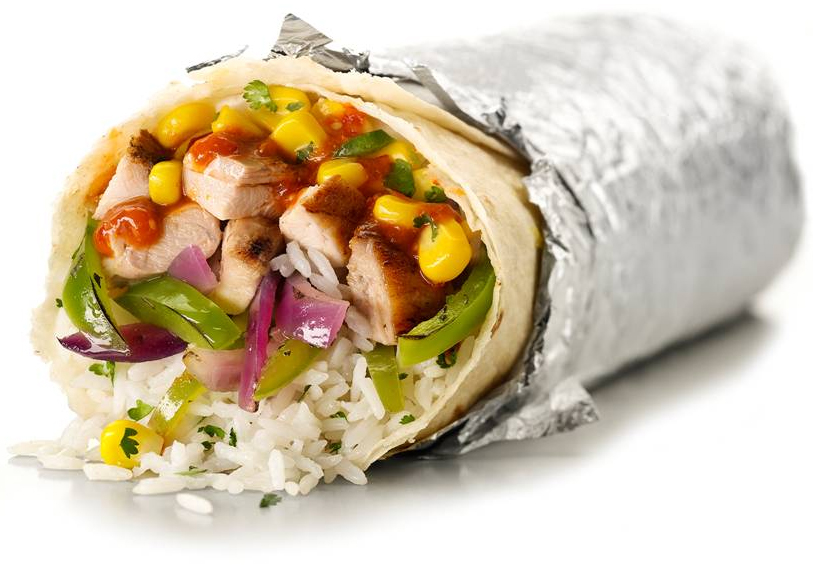
MEXICO has long been a country that derives extraordinary pleasure from eating and drinking—and it hasn’t minded the consequences much either. Gordo or gorda, meaning “chubby”, is used by both wives and husbands as a term of endearment. Pudgy kids bear proudly the nickname gordito, as they tuck into snacks after school slathered with beans, cheese, cream and salsa.
Your correspondent, having just arrived to live in Mexico City after more than a decade away, finds the increase in waistlines even more staggering than the increase in traffic. Mexico has become one of the most overweight countries on earth, even more so than the United States; a quarter of its men and a third of its women are obese. Indecorously, the country has even come up with figures on figures: the Mexican Diabetes Federation says that among women between 20 and 49, the average waistline is 91.1cm (35.9 inches), more than 10cm above the “ideal” size. Stores are now full of large- and extra large-sized clothing.
Time was, a prominent girth may have been enviable proof of relative prosperity. Now, it is a serious health risk. At a conference here on April 9th it was estimated that more than 10m Mexicans, or almost a sixth of the adult population, suffer from diabetes, largely because of over-eating and increasingly sedentary lifestyles. Mexico has the sixth most cases of diabetes in the world.
Diabetes is one of the top two causes of death in the country, alongside (and occasionally overlapping with) heart disease. The diabetes federation says that the illness kills 70,000 people a year. However, it gets far less attention than much less deadly diseases such as HIV/AIDS, not to mention organised crime (which is responsible for roughly 60,000 deaths in the past six years). “It could get to the point where we are literally eating ourselves to death,” says Jesper Holland of Novo Nordisk, a Danish health-care company that is a big supplier of insulin to Mexico.
The precise causes of the onslaught are hard to pin down. The prevalence of snacking on salty, fatty food and drinking sugar-heavy fizzy drinks appears to be a big part of the problem. Reforma, a national newspaper, reported on April 9th that fizzy drinks accounted for seven out of ten drinks sold in Mexico. There was a rise of more than 2% last year, despite growing pressure in Congress to slam “sin taxes” upon the drinks. On a per-head basis Mexicans drink more Coca-Cola than any other country.
Lack of exercise—all that traffic means many Mexicans commute for at least two hours a day—is another factor. Though the swanky parts of Mexico City now boast bicycle lanes, parks with exercise machines and graceful boulevards to run along, on the outskirts, where the health problem is gravest, there are few such amenities.
Mr Holland asserts that “economic growth” is a big cause of the illness, especially in developing countries where societies have grown more prosperous in the space of 20 years, compared with hundreds of years in some developed countries. That could be partly true: India and China also have acute diabetes problems. Mexico, however, has not grown faster than other countries in Latin America, and the poor left behind by economic growth are just as likely to snack badly as the more prosperous. What’s more, Mexican-Americans in the United States are almost twice as likely as non-Hispanic whites to be diagnosed with diabetes, which suggests there are powerful genetic factors at work, too.
Perhaps for Mexicans the biggest problem is living next door to the United States, which means the fast food and super-sized culture has a particularly strong influence. So do the American food and drink giants who sell vast quantities south of the border and have already proved adept at fending off sin taxes and other forms of anti-obesity regulation in the United States.
In a country like Mexico where there is not much stigma attached to being overweight, there would probably be stiff opposition to regulating consumers’ behaviour, especially as measures such as higher taxes on soft drinks would fall disproportionately on the poor. Instead, the government should play up gluttony as a killer, as it does with cigarettes—especially in school, where a third of children are said to be obese—and literally scare people off their junk food. Diabetes provides that opportunity. Given Mexico’s extensive public health-care system, the state foots the bill for the sharply rising cost of diabetes treatment. There is huge public interest in giving it more prominence.
Now that Mexico's health issues have come to light, President Enrique Pena Nieto's administration could propose new recipes for a more fit population. See this Twitter page to know more about the platforms of the Mexican government.


.jpg)